A front backyard in Greensboro does more than frame a home. It telegraphs how the home is cared for, stands up to the Piedmont's humidity and clay soils, and needs to look good in July heat without becoming a burden in August. With the best options, you can bump curb appeal in a manner that feels natural to the area and sustainable for your schedule. I've worked on landscapes from Fisher Park bungalows to more recent builds near Lake Jeanette, and the tasks that last share a couple of routines: honest assessment, practical plant selection, smart irrigation, and a determination to edit.
Start with what the street sees
Before going to the garden center, step throughout the street and look back. Stand in the shoes of a passerby, then take images at eye level. You'll see sightlines you miss from the driveway. Rooflines, porch columns, and windows form the architecture of your view; landscaping ought to underscore those lines rather than hide them. If your front lawn slopes, the grade can either add drama or make the facade look squat. Softening a high drop with layered planting or a low, dry-stack wall can visually raise the house and offer you more planting depth.
Greensboro's communities are a mix. Older streets shade heavy with oaks and tulip poplars, while more recent developments have full sun and long front problems. Light governs what grows, and the ideal match saves you cash. A deep-shade lawn under a century-old water oak will never appear like a stadium field, no matter just how much seed you toss at it. Under heavy canopy, lean into texture, evergreen structure, and hardscape accents that check out tidy year-round.
Work with the Piedmont's climate and soil
Greensboro sits in a shift zone where summers are humid, winter seasons are mild to cool, and rain is available in fits. We get hot spells in July and August, routine dry spell, and heavy rainstorms in shoulder seasons. That requests plants with versatile roots and excellent illness resistance. The city's red clay holds water, then bakes tough. It's not a curse, however it demands preparation.
When I'm preparing landscaping in Greensboro, NC, I deal with soil prep as the structure. Test pH and nutrients before you start. The Greensboro location often runs a bit acidic, which azaleas and camellias love, however turf may require lime to bump pH into a comfy variety. Blend in raw material 4 to 6 inches deep where beds will live. Avoid digging holes like teacups, which trap water. Rather, produce wide, shallow basins that encourage roots to spread out. If drain is poor near the foundation, fix it with subtle grading, a French drain, or a dry creek feature that functions as an attractive line through the yard.
Simplify the yard, sharpen the edges
I see more curb appeal lost to ragged edges than any other single issue. A clean limit in between turf and beds instantly makes a lawn appearance kept. In our area, fescue is the typical cool-season turf, with overseeding in fall. Bermudagrass and zoysia are warm-season options that manage heat better however go dormant and brown in winter. If the yard bakes completely sun and you 'd choose summer green, a well-chosen zoysia cultivar can be a good compromise with a finer texture that looks stylish beside brick or stone.
Reshape the yard into a simple footprint that's easy to cut. Think about pulling grass back from tight corners and along mailboxes, changing those pinch points with mulch or groundcover. This reduces weekly cutting and stops the limitless battle with string trimmers that scar fence posts and actions. Define all bed edges with a 2- to three-inch deep spade cut or a steel edging strip. Plastic edging lifts and warps in time in our freeze-thaw cycles, while steel or a crisp spade edge holds the line. Fresh pine straw prevails in Greensboro, cost-efficient, and easy to renew. Hardwood mulch works too, but go light near foundations to dissuade pests.
Plant palettes that look like Greensboro, not a catalog
A front lawn need to show the home's style and the Piedmont's palette. The trick is stabilizing evergreen bone structure with seasonal color and textural contrast. In partial shade, a structure built on cherry laurel 'Otto Luyken', sweet box (Sarcococca), and autumn fern checks out calm, then you can thread spring color with hellebores and forest phlox. In sun, mix dwarf yaupon holly, inkberry hybrids, and compact southern magnolias with perennials that deal with heat.
Limit the variety of species, but use them in rhythm. Three to 5 main plants, repeated in drifts, typically beats a dozen one-offs. Repeating steadies the view from the street and makes maintenance predictable. Leave room for plants to reach fully grown size. Crowding might look rich for a year, then it develops into a pruning treadmill.
Reliable shrubs and small trees for the Piedmont
- Evergreen anchors: dwarf yaupon holly, distylium, 'Shamrock' inkberry, camelias (sasanqua for fall blooms, japonica for winter), and boxwood replacements such as 'Gem Box' inkberry in boxwood-prone zones. Flowering accents: dwarf crape myrtle cultivars that withstand grainy mildew, oakleaf hydrangea for partial shade, and Repetition azaleas if you desire repeat bloom with care. Small decorative trees: 'Little Gem' magnolia where area enables, redbud (native Cercis canadensis), and kousa dogwood in slightly brighter exposures than our native dogwood, which requires mindful siting and airflow.
Perennials and groundcovers that don't offer up
- Sun: coneflower, black-eyed Susan, coreopsis, salvia, catmint, and little bluestem for a soft lawn note. Sedum and sneaking thyme manage heat along walk edges. Shade or part shade: hellebore, fall fern, heuchera, hardy azalea buddies like Japanese forest grass in brighter shade, and pachysandra terminalis for constant coverage where grass fails.
Native and native-leaning plants often handle our weather's swings with less difficulty. They also bring butterflies and songbirds that make a front yard feel alive. Just bear in mind growth rates and fully grown spread. Oakleaf hydrangea, for example, looks modest in a three-gallon pot but can span 6 to eight feet in five years.

The front door is the stage, offer it a frame
Curb appeal focuses towards the entry. Layer plant heights so the eye raises naturally from the walk to the stoop. Keep at least three feet clear on each side of the sidewalk so visitors never ever brush damp leaves, and trim shrubs listed below the window sill to protect sightlines and security. A pair of large pots by the steps develops a movable spotlight. In Greensboro's winter seasons, mix dwarf conifers, pansies, and trailing ivy. When summertime strikes, trade pansies for angelonia or lantana, which shrug off heat.
If your home faces west and bakes in late-day sun, consider a light roofing system color on the pots or glazed ceramics to minimize heat load on roots. Use a premium potting mix that drains pipes well and leading with a thin layer of pine bark to moderate wetness loss. Watering spikes or a simple drip line go to containers saves day-to-day watering in August.
Pathways, home numbers, and the quiet upgrades that matter
A front yard checks out as a composition, not just plants. Pathways with a gentle curve feel inviting, however resist the desire to squiggle. Two, possibly three sections suffice. If you're replacing a narrow contractor walk, expand it to at least four feet so 2 individuals can walk side by side. Brick or bluestone in a tidy pattern pairs well with Greensboro's brick architecture. Pressure wash existing concrete and include a good-looking edge with soldier-course brick to raise the polish without a full tearout.
House numbers and the mail box need to match the home's style and be plainly noticeable from the street. I've changed a lot of dented, leaning mail boxes with simple steel posts set plumb and dressed with a modest planting bed. In the bed, select plants that won't demand consistent pruning: a low-growing abelia, some daylilies, and a sweep of liriope is enough. Keep the plantings back from the curb to avoid obstructing sightlines for drivers.
Lighting that earns its keep
Greensboro's summertime evenings are outdoor time. Properly put lights add security and a subtle radiance that raises curb appeal. You don't need runway lights. A few low-voltage components along the primary walk, one or two narrow-beam areas to graze a brick wall or highlight a small tree, and a downlight from an eave near the entry produce depth. Warm white in the 2700K to 3000K range flatters plants and brick. Solar fixtures are appealing, but their output frequently fades and color temperature level differs. A transformer-driven system with LED bulbs is more consistent and long-lived.
Run wires in shallow trenches along bed edges before mulching. In Greensboro's clay, cables stay put. Usage protected fixtures to decrease glare for next-door neighbors and focus light where it belongs. If you have a historic home, choose components that conceal in the planting so the architecture, not the hardware, is what individuals notice.
Irrigation that does not battle the climate
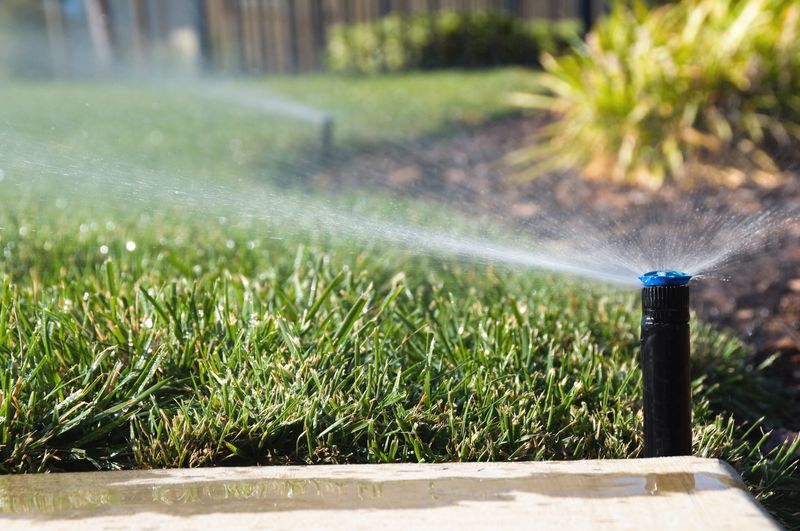
The Piedmont's rains patterns imply weeks of drought can follow days of deluge. Lawns choose deep, infrequent watering that pushes roots down. Shrubs and perennials like drip lines or micro-emitters that provide water directly to the root zone. An easy wise controller that changes for weather can conserve 20 to 40 percent on water use over a static schedule. In clay, adjust run times to avoid overflow: much shorter cycles with rest periods let water soak in.
If you're installing a new system during a larger landscaping project, map zones so turf, shrubs, and pots can be managed individually. Prevent overspray onto the house or pathway, which stains and wastes water. Seasonal checks deserve the time. I stroll systems in spring to repair winter season heave on heads and re-aim after cutting teams bump them.
Respect shade, and win with texture
Large oaks and pines form numerous Greensboro streets. Shade aspects beyond sunlight: it alters wetness, restricts lawn success, and impacts air motion. Instead of forcing grass into thin shade, buy shade-tolerant groundcovers and textured perennials that glow under dappled light. Hellebores bloom through late winter when the canopy is bare. As the trees leaf out, autumn fern, carex, and hosta bring the scene. Usage shiny leaves to bounce light. Add a pale flagstone or crushed stone path to develop a deliberate location to walk and to break up dark expanses.
Tree roots sit close to the surface. Prevent heavy soil accumulation over roots, which can smother them. When producing beds under fully grown trees, lay 2 to 3 inches of mulch and plant smaller container stock in pockets in between roots, not by cutting major roots. Hand watering brand-new plantings during the very first summer season settles with much better survival and less tension on the trees.
Paint, shutters, and the non-plant multiplier effect
Sometimes the greatest front yard improvement isn't a plant. A fresh, rich color on the front door can reset the entire palette. For the Piedmont's brick homes, saturated colors like deep teal, bottle green, or a confident red play well. Update tired shutters or remove them if they aren't scaled correctly. Many production houses have shutters that are too narrow to plausibly close over the window, which checks out as costume. Right-sizing or streamlining yields a cleaner look.
Hardware matters. A quality door deal with set, a new deck lantern with clear lines, and a well balanced mailbox elevate everything around them. These upgrades sit in the exact same visual field as your landscaping and increase its effect.
Seasonal rhythm that keeps interest alive
Greensboro's seasons move. Prepare for it. Early spring color can start with dwarf daffodils along the walk and the soft flush of redbud. By late spring, azaleas and peonies bring the banner. Summer season leans on daylilies, crape myrtle, and salvia. Come fall, the burgundy of oakleaf hydrangea leaves and the plumes of muhly grass take over. Winter season belongs to camellias, hellebores, and the structure of evergreens. When developing your plant list, pencil in highlights throughout the calendar so there's constantly a reason to look two times at your front yard.
Mulch revitalize in early spring is a little job with outsized visual effect. Don't overdo it. An inch to top up and cover bare soil suffices. Excessive mulch versus shrub trunks invites rot. Keep mulch pulled back a couple of inches from stems, and prevent volcano mulching around trees.
Water management that functions as design
Heavy rainstorms in spring or fall can send sheets of water throughout a yard and into the sidewalk. Instead of battling it, provide water a path. A shallow swale lined with river rock can move overflow from downspouts through the backyard to a curb cut or rain garden. If you make it stylish, it becomes a style function that stands out. A rain garden planted with black-eyed Susan, Joe Pye weed, and switchgrass can manage wet feet after storms and look neat the remainder of the time. Keep the edges crisp with a steel band or a narrow brick border so it reads intentional.
Permeable pavers for walkways or parking pads decrease runoff and set well with the region's visual appeals. They need a correct base and routine sweeping to keep joints clear, however they age perfectly and avoid the patchwork appearance that basic concrete can develop.
Pruning with a point
Most front lawns suffer more from over-pruning than disregard. Hedge shears produce tight skins that trap moisture and welcome disease, particularly in our damp summer seasons. Let shrubs grow toward their natural shape and size. Prune selectively with hand pruners, securing crossing branches and gently minimizing height a bit at a time. Time matters. Prune spring-bloomers like azaleas not long after they finish blooming, not in winter season when you'll eliminate buds. For crape myrtles, avoid the severe "crape murder" topping. Rather, thin interior shoots, eliminate basal suckers, and keep well-spaced main trunks so the bark and structure reveal as the plant matures.
For evergreen foundation shrubs, goal to keep them below windowsills. If a shrub has outgrown its spot by more than a 3rd, replacement might be kinder than duplicated hacking. You'll keep the plant's health and the exterior's proportion.
Budget triage: where to invest first
If you're focusing on, I usually designate funds in this order: proper drainage and grading, enhance soil in planting beds, define edges and pathways, add evergreen structure, then layer color and lighting. Purchasers and neighbors see clean lines and healthy green very first. Fancy plants in bad soil will have a hard time. A modest selection in great conditions will flourish and look much better in year two than day one.
For a modest front lawn, $1,500 to $3,000 can cover an expert bed cleanout, new edging, fresh mulch, a handful of evergreen anchor shrubs, and a few perennials. Lighting may include $800 to $2,000 depending on scope. A brand-new walk or stoop is a bigger ticket, but even a pressure cleaning and a brick border can provide a big lift for a few hundred dollars plus labor.
Local truths and how to adapt
Greensboro's municipal tree canopy is a point of pride, but it drops acorns and leaves. Plan maintenance around that. In fall, set your mower high and mulch leaves into the lawn rather than bagging all of them. The fine particles feed soil microbes. For rain gutters, leaf guards can minimize the weekly ladder dance, however they're not a set-it-and-forget-it service under heavy oak litter. Clean-out in late fall and once again in late winter season after camellia blossoms drop keeps downspouts clear and prevents splashback that spots foundations.

Pests and diseases have local patterns. Boxwood blight stays a concern in the Carolinas. If you're attached to boxwood, pick resistant cultivars and ensure generous air flow. Lots of homeowners choose alternatives like dwarf yaupon hollies for the same neat result. Lace bugs can tarnish azaleas in hot, reflective sites. A bit more mulch, a soaker hose pipe, and partial shade https://kylersjre764.image-perth.org/typical-lawn-problems-in-greensboro-nc-and-how-to-fix-them can lower that tension. Mosquitoes find standing water in dishes and clogged gutters. A small pump in a water bowl or birdbath will keep things moving.
Case snapshots from Greensboro yards
A Lindley Park bungalow with a steeply pitched yard looked short and stumpy from the street. We carved a mild balcony with a low stone outcrop, moved the walk three feet off center to line up with the front door, and anchored the new bed with a trio of 'Little Lime' hydrangeas. A slim steel edge defined the curve. The house owner kept her costs down by reusing existing hostas in the shade side lawn and including pine straw. Her huge spend was on lighting: 3 course lights and a narrow area on the Japanese maple. The house now reads taller, and the maple shines at dusk.
Up near Lake Jeanette, a newer brick home had actually builder shrubs pushed against the windows and a narrow, broken concrete walk. We cut the shrubs to the base, restored two hollies for proportion at the corners, and installed a five-foot-wide walk in herringbone brick with a soldier-course border. Distylium changed the old hedge, and a low drift of coreopsis lined the bright side. The front door moved from dark bronze to deep green, and the mailbox matched. The property owner reports more compliments in the first month than in the previous 5 years.
A basic seasonal upkeep rhythm
- Late winter: prune camellias lightly after bloom, cut down decorative grasses, edge beds, test irrigation. Mid-spring: top up mulch, fertilize turf if needed based on soil tests, plant perennials. Mid-summer: check irrigation performance, hand-water new plantings, deadhead perennials, raise lawn mower height. Early fall: overseed fescue lawns, plant shrubs and trees for best root facility, revitalize pine straw. Late fall: leaf management, last clean-up, set lighting timers for much shorter days.
This cadence keeps things neat without the scramble that takes place when whatever gets delayed to one weekend.
When to generate help
Some work is pleasing to do solo. Mulch and planting, easy lighting, even edging. For grading, drain, or a new walk, employ pros who understand Greensboro's codes and soils. Request for plant guarantees from regional nurseries, and prioritize business with references on comparable homes. When you look for landscaping Greensboro NC, look for firms that reveal tasks with restraint, not simply overruning flower beds. Curb appeal grows from craft and fit, not from the variety of plants per square foot.
The quiet self-confidence of a well-edited front yard
The most appealing front yards in Greensboro aren't the loudest. They're the ones that feel comfy on the block, react to the climate, and set a clear path to the door. They draw the eye with a few strong moves: a cleaner edge, a steadier palette, a walk that invites, a light that invites. With attention to the Piedmont's soil and seasons, and a determination to edit rather than pile on, you can build curb appeal that lasts longer than a weekend blossom cycle and seems like it belongs, year after year.
Business Name: Ramirez Landscaping & Lighting LLC
Address: Greensboro, NC
Phone: (336) 900-2727
Email: [email protected]
Hours:
Sunday: Closed
Monday: 8:00 AM–5:00 PM
Tuesday: 8:00 AM–5:00 PM
Wednesday: 8:00 AM–5:00 PM
Thursday: 8:00 AM–5:00 PM
Friday: 8:00 AM–5:00 PM
Saturday: 8:00 AM–5:00 PM
Google Maps: https://www.google.com/maps/search/?api=1&query=Google&query_place_id=ChIJ1weFau0bU4gRWAp8MF_OMCQ
Map Embed (iframe):
Social Profiles:
Facebook
Instagram
Major Listings:
Localo Profile
BBB
Angi
HomeAdvisor
BuildZoom
Ramirez Landscaping & Lighting is a Greensboro, North Carolina landscaping company providing design, installation, and ongoing property care for homes and businesses across the Triad.
Ramirez Landscaping & Lighting offers hardscapes like patios, walkways, retaining walls, and outdoor kitchens to create usable outdoor living space in Greensboro NC and nearby communities.
Ramirez Landscaping & Lighting provides irrigation services including sprinkler installation, repairs, and maintenance to support healthier landscapes and improved water efficiency.
Ramirez Landscaping & Lighting specializes in landscape lighting installation and design to improve curb appeal, safety, and nighttime visibility around your property.
Ramirez Landscaping & Lighting serves Greensboro, Oak Ridge, High Point, Brown Summit, Winston Salem, Stokesdale, Summerfield, Jamestown, and Burlington for landscaping projects of many sizes.
Ramirez Landscaping & Lighting can be reached at (336) 900-2727 for estimates and scheduling, and additional details are available via Google Maps.
Ramirez Landscaping & Lighting supports clients with seasonal services like yard cleanups, mulch, sod installation, lawn care, drainage solutions, and artificial turf to keep landscapes looking their best year-round.
Ramirez Landscaping & Lighting is based at 2700 Wildwood Dr, Greensboro, NC 27407-3648 and can be contacted at [email protected] for quotes and questions.
Popular Questions About Ramirez Landscaping & Lighting
What services does Ramirez Landscaping & Lighting provide in Greensboro?
Ramirez Landscaping & Lighting provides landscaping design, installation, and maintenance, plus hardscapes, irrigation services, and landscape lighting for residential and commercial properties in the Greensboro area.
Do you offer free estimates for landscaping projects?
Ramirez Landscaping & Lighting notes that free, no-obligation estimates are available, typically starting with an on-site visit to understand goals, measurements, and scope.
Which Triad areas do you serve besides Greensboro?
Ramirez Landscaping & Lighting serves Greensboro and surrounding Triad communities such as Oak Ridge, High Point, Brown Summit, Winston Salem, Stokesdale, Summerfield, Jamestown, and Burlington.
Can you help with drainage and grading problems in local clay soil?
Yes. Ramirez Landscaping & Lighting highlights solutions that may address common Greensboro-area issues like drainage, compacted soil, and erosion, often pairing grading with landscape and hardscape planning.
Do you install patios, walkways, retaining walls, and other hardscapes?
Ramirez Landscaping & Lighting offers hardscape services that commonly include patios, walkways, retaining walls, steps, and other outdoor living features based on the property’s layout and goals.
Do you handle irrigation installation and repairs?
Ramirez Landscaping & Lighting offers irrigation services that may include sprinkler or drip systems, repairs, and maintenance to help keep landscapes healthier and reduce waste.
What are your business hours?
Ramirez Landscaping & Lighting lists hours as Monday through Saturday from 8:00 AM to 5:00 PM, and closed on Sunday. For holiday or weather-related changes, it’s best to call first.
How do I contact Ramirez Landscaping & Lighting for a quote?
Call (336) 900-2727 or email [email protected]. Website: https://www.ramirezlandl.com/.
Social: Facebook and Instagram.
Ramirez Landscaping serves the Greensboro, NC area with trusted landscape lighting solutions for homes and businesses.
If you're looking for landscaping in Greensboro, NC, reach out to Ramirez Landscaping & Lighting near Greensboro Science Center.